
SURVEY #49 Staff Sergeant Jessica Dozier
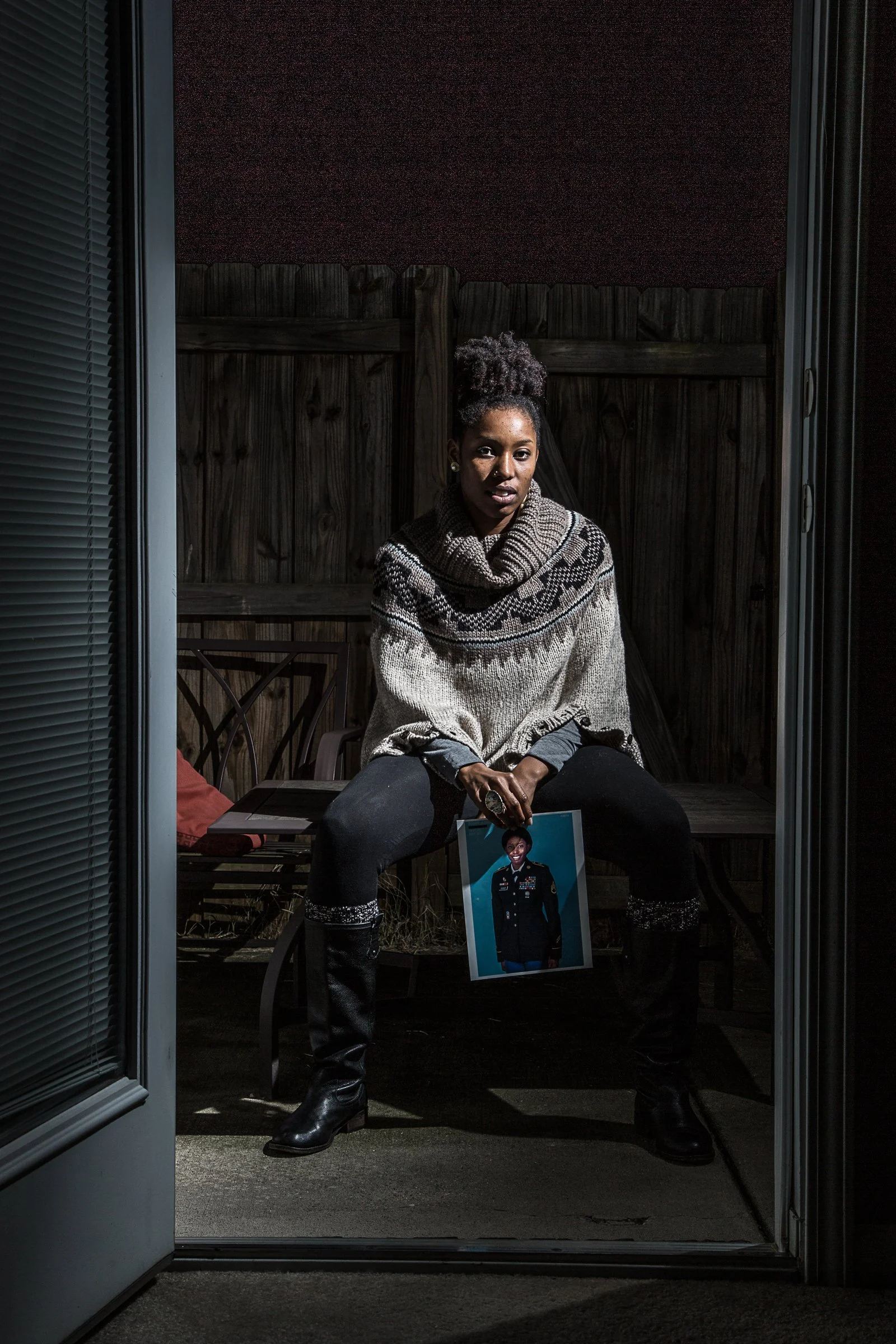
Staff Sergeant Jessica Dozier
U.S. Army National Guard | Afghanistan | Survey #49
Jessica Dozier joined the military seeking financial stability and a way to support her family. The oldest of five children, she had been working three jobs while trying to attend college. Military service offered the possibility of a career that would allow her to provide for herself and continue helping those who depended on her.
Her grandfather, a Vietnam veteran, initially discouraged her from enlisting. Dozier understood his concerns, particularly the lasting effects of his own service, but remained determined. She advanced quickly, reaching the rank of Staff Sergeant in approximately five years.
During her deployment to Afghanistan, Dozier served as a readiness noncommissioned officer supporting approximately 140 soldiers stationed across fourteen locations in three countries. Her responsibilities were substantial, often requiring her to perform duties normally assigned to more senior personnel.
Although she was not regularly participating in combat patrols, the installation where she worked came under frequent attack. She recalls spending hours in bunkers during nighttime bombardments and the persistent uncertainty of living somewhere that was supposed to offer protection.
Dozier describes the difficulties she encountered within her own command as particularly troubling. As a young Black woman in a leadership position, she witnessed and experienced unequal treatment based on race, gender, and rank. She challenged decisions she believed were unfair, sometimes placing herself at odds with senior personnel. Her priority, she explains, was protecting the soldiers for whom she was responsible.
Throughout her deployment, Dozier found relief in poetry, spoken-word performances, exercise, reading, and meditation. These activities offered moments of personal expression within an environment shaped by demanding work, strained relationships, and the constant possibility of attack.
Returning home did not immediately bring an end to those pressures. Dozier describes how the vigilance required during deployment remained with her, affecting her emotional responses and relationships. She recognizes that military service made her more assertive but also changed aspects of her personality that she had previously valued.
Her commitment to caring for others extended beyond the military. Inspired in part by witnessing poverty and hardship overseas, Dozier established a charitable initiative in Nashville, Tennessee, dedicated to feeding people experiencing homelessness. Working alongside her roommate and friends, she organized monthly food distributions that grew from an initial effort of approximately 50 bags to approximately 300 bags each month.
She hoped to expand the initiative through larger holiday food distributions, winter clothing donations, and eventually assistance specifically for homeless veterans. At the time of her interview, she was also pursuing nonprofit recognition to help sustain and expand the effort.
For Dozier, service was never limited to wearing a uniform. It began with responsibility for her family, continued through her leadership of fellow soldiers, and found another expression in the community she returned to. Her experiences in Afghanistan strengthened her determination to advocate for others while deepening her understanding of the challenges people face. Through her charitable work, she continued the commitment to compassion and responsibility that had guided her decision to serve.